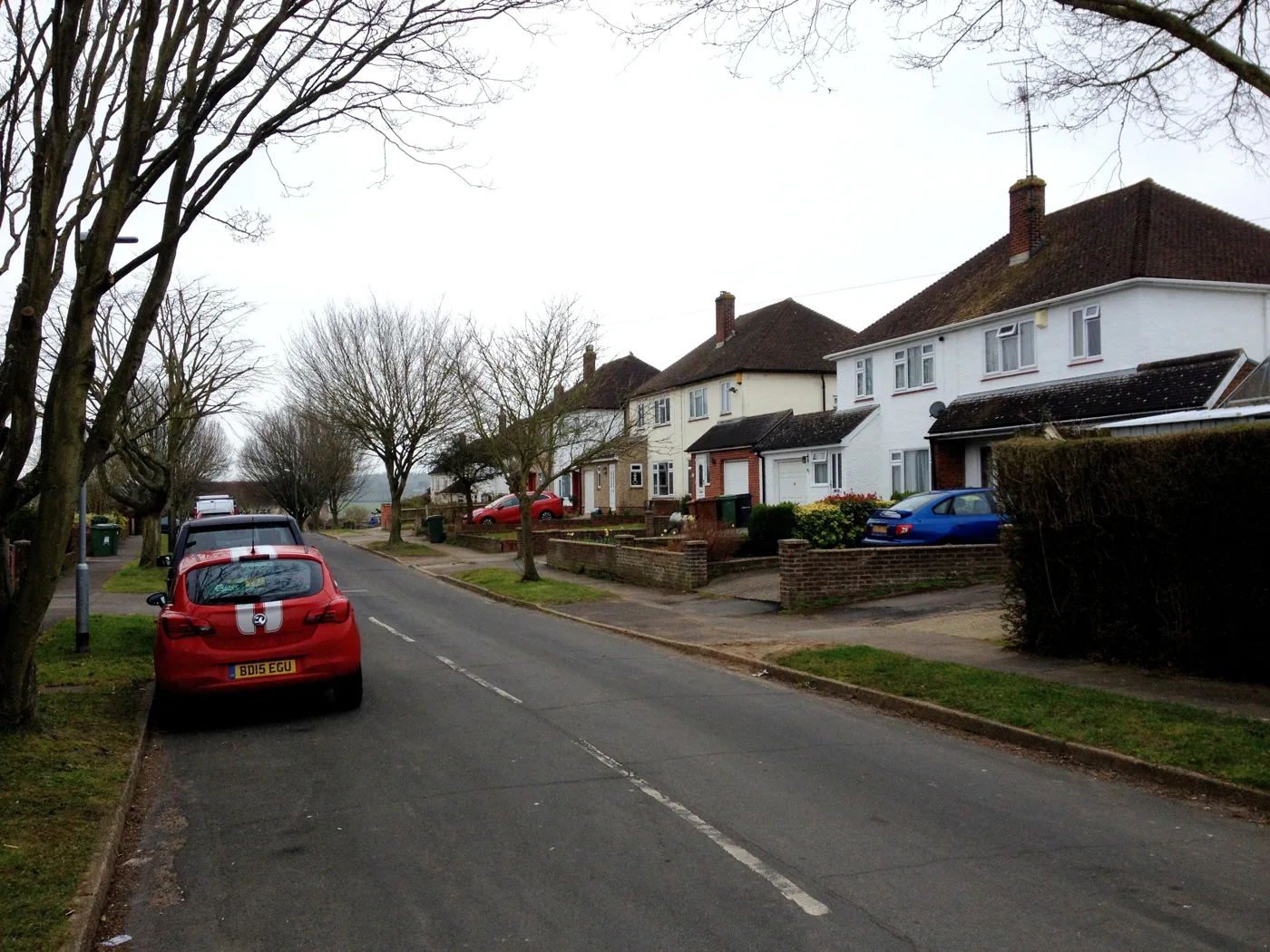

Maidstone Borough Council says the insects swarming homes in Fant do not bite, spread disease or damage buildings, and that it has no way to treat or enforce.
Maidstone Borough Council has told residents in Fant that it cannot treat or enforce against the insects swarming their homes, and that its role is limited to giving advice.
The council published a set of frequently asked questions on 22 September after what it describes as “a number of enquiries from residents about large numbers of false chinch bugs being found in and around properties in the Fant area”.
It names three streets and says the problem extends beyond them:
- Chamberlain Avenue
- Pitt Road
- Shelley Road
- “and surrounding roads”
What the council says they are, and are not
The reassurance in the notice is unusually direct. False chinch bugs, it says, “are not considered a public health risk”. They:
- do not bite people
- do not spread disease
- do not damage buildings, furniture or household belongings
The council describes them as small insects that feed on plants and weeds and are normally found in fields and grassland. Its explanation for the numbers is seasonal. Large populations build up when conditions suit them, and when vegetation “dries out, is harvested or food sources become limited”, the insects move into nearby houses and gardens looking for shelter and something else to eat.
On how long it will last, the council will not put a date on it. Outbreaks “are usually temporary and linked to seasonal and environmental conditions”, it says, and “it is difficult to predict exactly how long they will remain”. It adds that these events “do not normally result in permanent infestations of homes”.
The part residents will not like
The rest of the notice is about what will not happen.
The council says it “has no direct means of treating or eradicating insects across a large affected area”, and that “there is unlikely to be any formal enforcement action available”. Its role, it says twice, is limited to “information, advice and reassurance”.
It will not visit. Given the number of properties affected, the council says it cannot call at every household, and because there is no treatment or enforcement available, “individual visits are unlikely to change the outcome”.
It still wants to hear from people. Reporting the problem “helps us understand the scale and impact of the issue”, the notice says, while making clear that reporting it “does not mean the Council will be able to provide treatment, undertake enforcement action or carry out a site visit”.
On who is responsible for dealing with it, the answer is nobody in particular. The council calls it “a naturally occurring insect population rather than a public health emergency” and says “there is no single organisation responsible for eliminating the insects”.
What it means for you
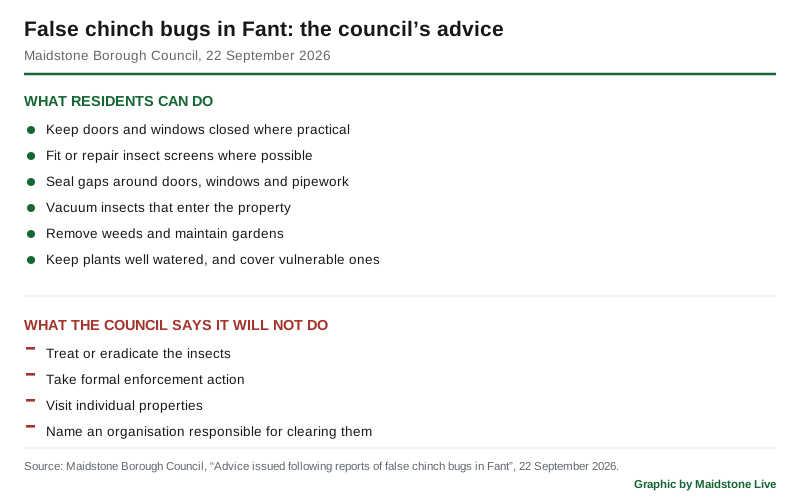
The council’s practical advice is about keeping them out rather than killing them:
- keep doors and windows closed where you can
- fit or repair insect screens
- seal gaps around doors, windows and pipework
- vacuum up the ones that get inside
- remove weeds and keep the garden maintained
- keep plants well watered, and consider temporary cover for vulnerable ones
On insecticides, the council is lukewarm. For most households, it says, “preventing insects from entering the property and removing them when they appear is likely to be more effective than widespread pesticide use”. Anyone who wants a stronger response is pointed towards a professional pest control company, at their own cost.
If you want the council to log your case, the contact route is the same one used for any environmental health enquiry, through maidstone.gov.uk.
We have not been able to confirm which species is involved. The council’s notice uses the common name “false chinch bug” and does not give a scientific name, and we found no published identification from a UK entomological or plant health body. We will update this page if one appears.
For other practical Maidstone information, see our guides to bin collection days and council tax bands.
Sources
- Maidstone Borough Council: advice issued following reports of false chinch bugs in Fant, published 22 September 2026 at 11.23am, read on 23 September 2026
All quoted wording is the council’s own. Maidstone Live has not inspected any affected property.
Have your say